Help protect and share the world’s cultural heritage
Your 100% tax-deductible donation fuels CyArk’s mission to:
Preserve history with 3D documentation of at-risk cultural sites.
Empower communities with tools and training to protect their heritage.
Inspire audiences with immersive stories that bring the past to life.
Every contribution helps to preserve and celebrate the world’s cultural wonders.
Is my donation tax-deductible?
Yes. CyArk is a registered 501(c)(3) nonprofit organization in the United States, and your donation is tax-deductible to the fullest extent allowed by law. After completing your donation, you will receive an email receipt that includes all necessary details for tax purposes.
How does my donation support CyArk?
Your donation helps us document at-risk cultural sites, train local heritage professionals in 3D documentation, and create immersive experiences that inspire and educate. Every contribution fuels our mission to preserve and share the world’s cultural treasures.
Is my payment information secure?
Absolutely. Our donation platform, Donorbox, uses SSL/TLS encryption to ensure your personal and payment information is fully protected. Donorbox is PCI-compliant, meaning it meets the highest standards for secure online transactions, so you can donate with confidence.
Secure donation
Newsletter
Subscribe to our newsletter
Sign up for CyArk’s monthly newsletter to learn about our latest efforts to document sites around the world.
Somaliland
Rock Art Sites of Somaliland
Rock Art Sites Representing the Rich Archaeology of Somaliland
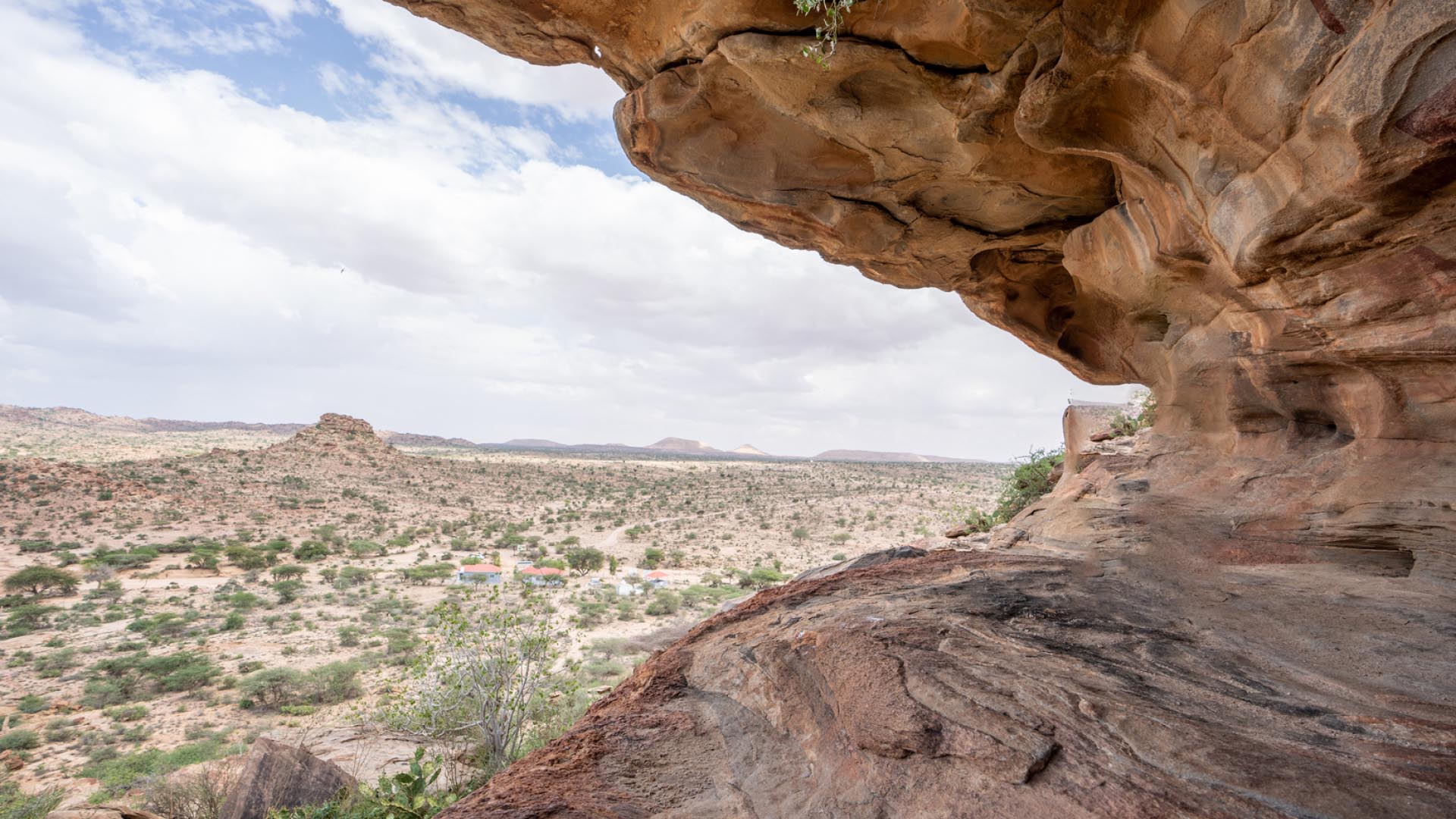
The complex cave and rock shelters of Laas Geel, Dhagah Kureh, and Dhagah Nabi Galay lie just 30-45 minutes outside of Hargeisa, the capital of Somaliland, a self-declared republic and autonomous region of Somalia. Exhibiting outstanding Neolithic rock art, the sites’ cave paintings are considered to be some of the best preserved rock paintings in all of Africa, and are essential to the Horn of Africa’s historical and heritage legacy. These rock art sites are endangered from a number of factors, both natural and human caused.
The sites of Laas Geel and Dhagah Kureh depict paintings that are of the same style of that of the rock art sites Dhambalin, Haadh, and Jilib Rihin, discoved and studied by Sada Mire of the Horn Heritage Organization and the University of East Anglia. The site of Karin Hagane, studied by Steven Brandt, also conforms to this tradition and style. These sites inform us about the earliest pastoralists in the Horn of Africa and the food producing societies 5000 years ago. Furthermore, the first and only site in Somali territory that depicts paintings of sheep is the Dhambalin rock art site. It also shows painting of humans in hunting and herding scenes with dogs, antelopes, giraffes, and turtles. The rock art sites of Somaliland show that between the third and second millennia BCE, the herding of humpless cows and sheep and goats, as well as the hunting of antelopes, giraffes, and other wild animals, was the basis for economic subsistence, suggesting a much greener environment than what the region offers today.