Angkor, in northwestern Cambodia near Siem Reap, was the capital of the Khmer Empire from the 9th to the 15th century, and its archaeological park covers about 400 square kilometers of temples, reservoirs and canals. Its best-known temple, Angkor Wat, is the world's largest religious monument. It was built in the first half of the 12th century under King Suryavarman II, was dedicated to Vishnu, and is said to have taken 37 years to complete. Other temples in the park include Banteay Kdei, a Buddhist monastery built in the late 12th century. Angkor became a UNESCO World Heritage Site in 1992 and was placed on the List of World Heritage in Danger the same year. It was removed from that list in 2004 after extensive conservation work.
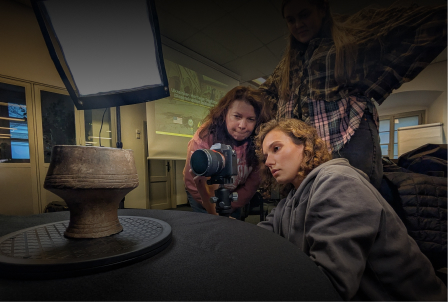
This project gathered high-definition laser scans and photographs of the Western Causeway of Angkor Wat and the temple of Banteay Kdei. The dataset was used by Sophia University to support ongoing reconstruction and stabilization of Angkor monuments.