United States of America
World War II incarceration camp in the Utah desert
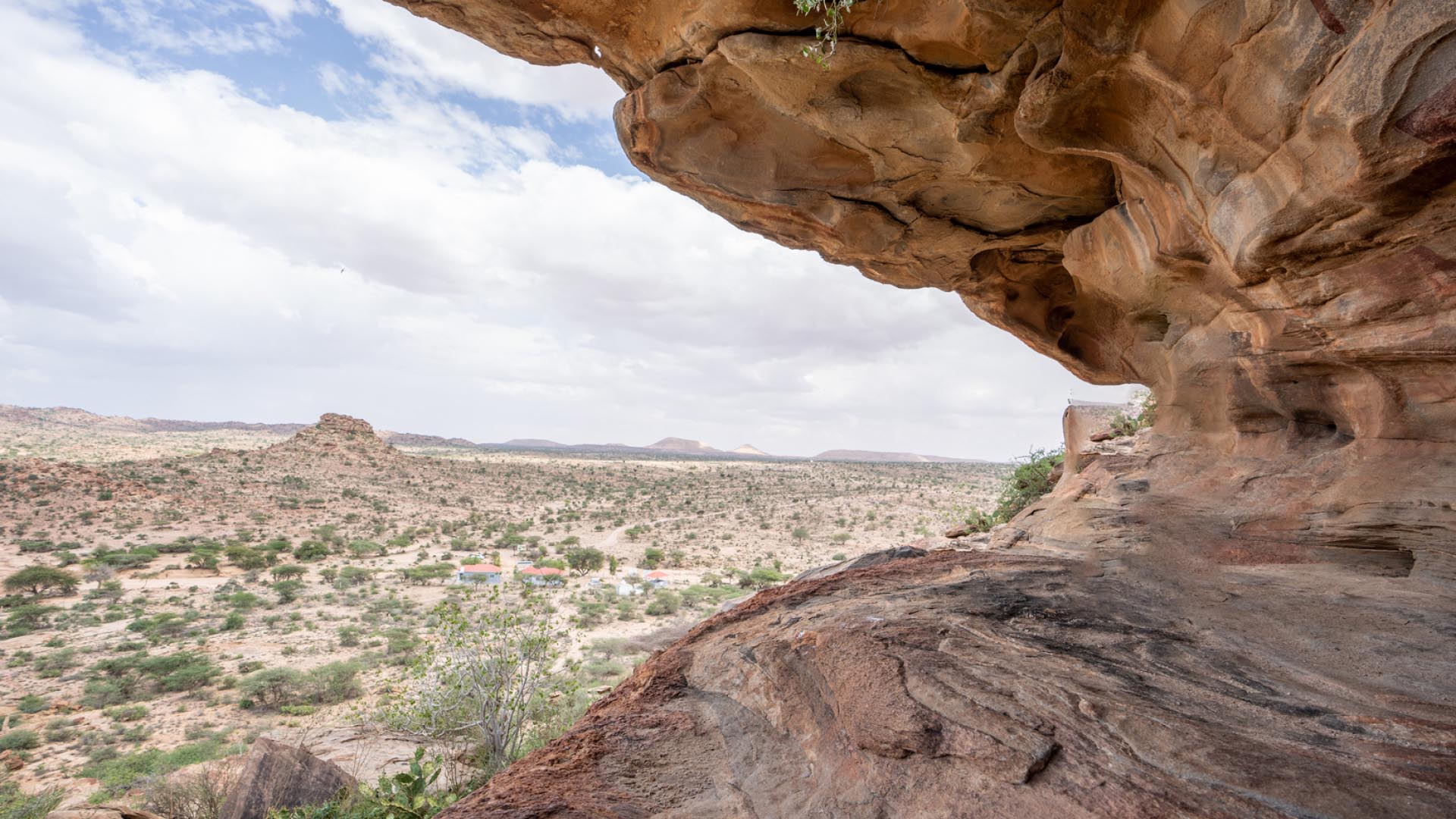
The Topaz camp, officially the Central Utah Relocation Center, was built in the desert of west-central Utah near the town of Delta. It operated from September 1942 to October 1945 and held more than 11,000 people over that time, most of them Japanese Americans forcibly removed from the San Francisco Bay Area under Executive Order 9066. At its peak about 8,000 people lived there, briefly making it one of the largest cities in Utah. Incarcerees lived in tarpaper barracks through extreme heat, cold and dust storms. In 1943, an elderly incarceree, James Wakasa, was shot and killed by a guard near the camp fence. Today the site is a National Historic Landmark, and the Topaz Museum in Delta tells its story.
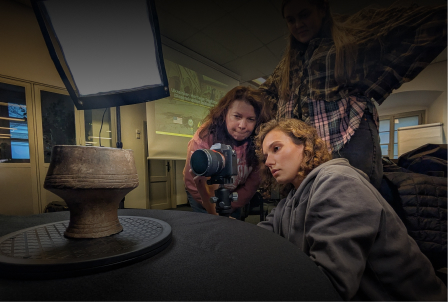
Topaz is part of CyArk's World War II Japanese American Confinement Sites collection, a digital documentation project supported by a grant from the National Park Service's Japanese American Confinement Sites (JACS) Grant Program.